
The Best Drugstore Moisturizers of 2026, According to a Dermatologist
This post contains affiliate links. If you purchase through them, I may earn a small commission at no extra cost to you. I only recommend products I'd use (or have used) myself.
The Short Answer: Best Drugstore Moisturizers of 2026
If you want the quick pick: Avene Tolerance Control Soothing Skin Recovery Cream is my top overall drugstore moisturizer in 2026. It's one of the most minimalist, well-tolerated formulas on any pharmacy shelf. But the best pick depends on your skin type:
- Best for dry skin: Prequel Half & Half Peptides + Ceramides
- Best for oily skin: CeraVe Oil Control Moisturizing Gel-Cream
- Best for combination skin: CeraVe PM Facial Moisturizing Lotion
- Best for sensitive skin: Vanicream Moisturizing Cream
- Best for acne-prone skin: La Roche-Posay Toleriane Double Repair Matte
- Best for retinoid users: Aestura Atobarrier365 Cream
- Best for mature skin: Olay Regenerist Micro-Sculpting Cream
Quick Comparison: My 12 Picks at a Glance
| Moisturizer | Best For | Price |
|---|---|---|
| Avene Tolerance Control Soothing Skin Recovery Cream | Best overall | $30 |
| Prequel Half & Half Peptides + Ceramides | Best for dry skin | $25.99 |
| CeraVe Oil Control Moisturizing Gel-Cream | Best for oily skin | $14.94 |
| CeraVe PM Facial Moisturizing Lotion | Best for combination skin | $16.99 |
| Vanicream Moisturizing Cream | Best for sensitive skin | $13.56 |
| La Roche-Posay Toleriane Double Repair Matte | Best for acne-prone | $20.99 |
| e.l.f. Holy Hydration! Face Cream | Best around $14 | $13.97 |
| La Roche-Posay Cicaplast Baume B5 | Best for barrier repair | $18.99 |
| Aestura Atobarrier365 Cream | Best for retinol pairing | $32 |
| CeraVe Healing Ointment | Best for winter | $18.99 |
| Olay Regenerist Micro-Sculpting Cream | Best for mature skin | $23.94 |
| AmLactin Daily Moisturizing Lotion | Best body moisturizer | $13.99 |
How I Chose These Moisturizers
Look, I've tested a truly embarrassing number of moisturizers in my career. For this list, I only included products that meet four standards I'd want in my own bathroom.
- Ingredient quality. Ceramides, humectants, and barrier-repairing ingredients at meaningful concentrations.
- Formulation integrity. No unnecessary fragrance, essential oils, or known irritants.
- Plays nicely with actives. Tolerates retinoids, AHAs, and BHAs. If you're on a retinoid, see my full tretinoin moisturizer guide.
- Accessible and affordable. Everything here is easy to find at a drugstore, Ulta, or on Amazon, and most are under $25.
Best Overall
Avene Tolerance Control: Best Drugstore Moisturizer Overall

I know 'best overall' is usually a CeraVe slot, but hear me out. This has one of the cleanest ingredient decks in any drugstore cream; it was literally designed for the most reactive skin Avene's dermatologists see in clinic. Which means it's also amazing for everyone else.
Best for Dry Skin
Best Drugstore Moisturizer for Dry Skin: Prequel Half & Half
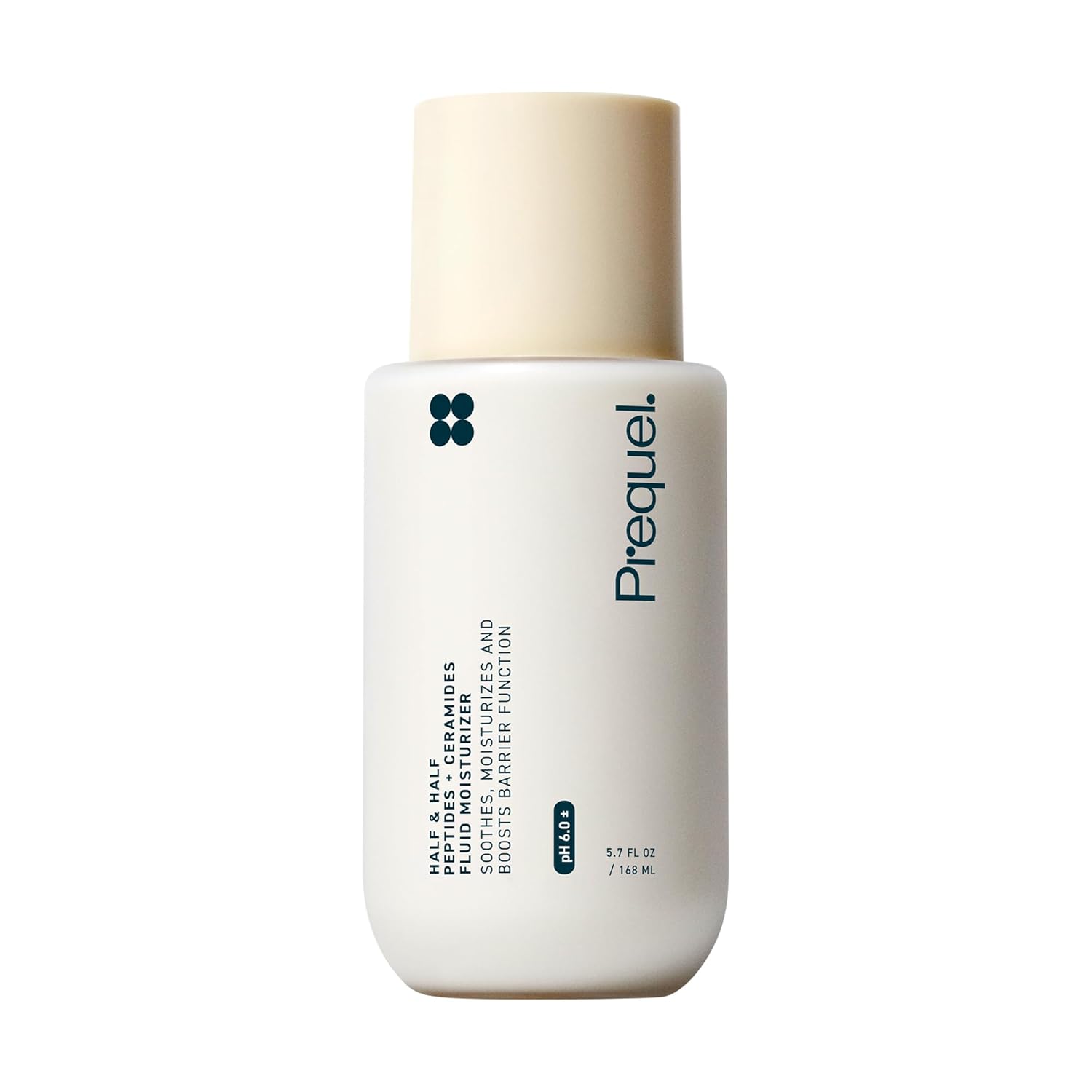
If you want results beyond hydration, this is the one. Prequel is doing the peptide thing really well at a price point that doesn't make me wince.
Best for Oily Skin
Best Drugstore Moisturizer for Oily Skin: CeraVe Oil Control Gel-Cream

This is the CeraVe I wish more people knew about. Everyone defaults to the tub or the PM lotion, but if your skin leans oily and you're tired of that midday shine, this is the one. It's got the same ceramide backbone CeraVe is known for, plus niacinamide and licorice root to help control oil without stripping your barrier. It dries down matte-ish without feeling tight, which is honestly hard to find at this price point.
Best for Combination Skin (NEW pick)
Best Drugstore Moisturizer for Combination Skin: CeraVe PM Facial Moisturizing Lotion

If you've ever stood in the drugstore aisle holding a heavy cream in one hand and a gel in the other and thought 'neither of these is right for my face,' welcome to combination skin. CeraVe PM is the answer I give patients more than any other product. The texture is light enough that it doesn't congest the oilier zones of your T-zone, but the ceramide-and-niacinamide combo gives drier areas the barrier support they need. It absorbs cleanly under sunscreen in the morning and works perfectly as a tret-buffering night cream too.
It's branded as a PM product but I genuinely use it AM and PM and so do most of my combination-skin patients. The 'PM' is more about texture than timing.
Best for Sensitive Skin
Best Drugstore Moisturizer for Sensitive Skin: Vanicream Moisturizing Cream

If you want a full deep-dive comparison, I wrote the Vanicream vs CeraVe breakdown that a lot of sensitive-skin readers have told me saved them a lot of trial and error.
Best for Acne-Prone Skin
Best Drugstore Moisturizer for Acne-Prone Skin: La Roche-Posay Toleriane Double Repair Matte

Okay, if your skin breaks out the second it senses anything heavy, this is your moisturizer. The Matte version of LRP's Double Repair is everything the original does well (ceramides, niacinamide, prebiotic thermal water) but with a finish that actually stays put under makeup. It's not that chalky, fake-matte feel either. It just quietly controls shine without wrecking your barrier. I recommend this one a lot to patients who are on topical acne treatments and feel like they can't find a moisturizer that doesn't make things worse.
Best Around $14
Best Cheap Drugstore Moisturizer: e.l.f. Holy Hydration! Face Cream

I'll be honest, when I first saw e.l.f. doing skincare I was skeptical. But Holy Hydration genuinely surprised me. You're getting squalane, hyaluronic acid, and niacinamide. Ingredients I'd expect in something three times the price, in a formula that feels like a light whipped cream on the skin. It's not going to be the most sophisticated moisturizer in your cabinet, but for under $15? It does exactly what a good moisturizer should do. I recommend this one to patients who are just starting a routine and don't want to overthink it, or honestly, anyone who wants a solid daily moisturizer without the sticker shock.
Best for Barrier Repair
Best Drugstore Moisturizer for Barrier Repair: La Roche-Posay Cicaplast Baume B5
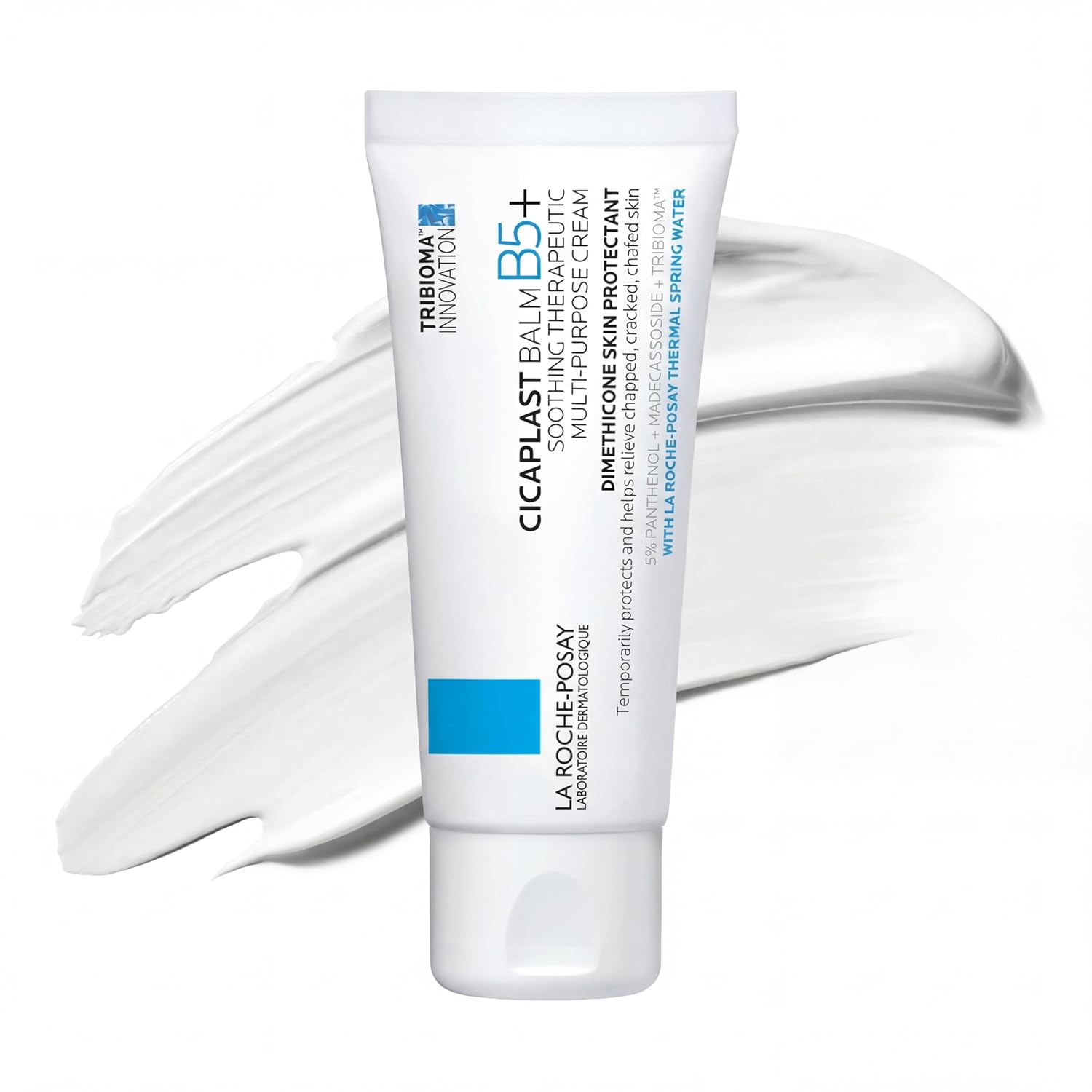
I've written a whole post on everything Cicaplast Gel B5 can do, but the short version is: this is what I reach for when a patient's barrier is wrecked.
Best for Retinol Pairing
Best Drugstore Moisturizer for Retinol and Tretinoin: Aestura Atobarrier365 Cream

Pair this with the tretinoin sandwich method if you're prone to irritation, and check my best moisturizers with tretinoin guide for more options if you're deep in the retinoid world. If you're actively peeling, my best moisturizers for tretinoin peeling post walks through the rescue routine.
Best for Winter
Best Drugstore Moisturizer for Winter (and Slugging): CeraVe Healing Ointment
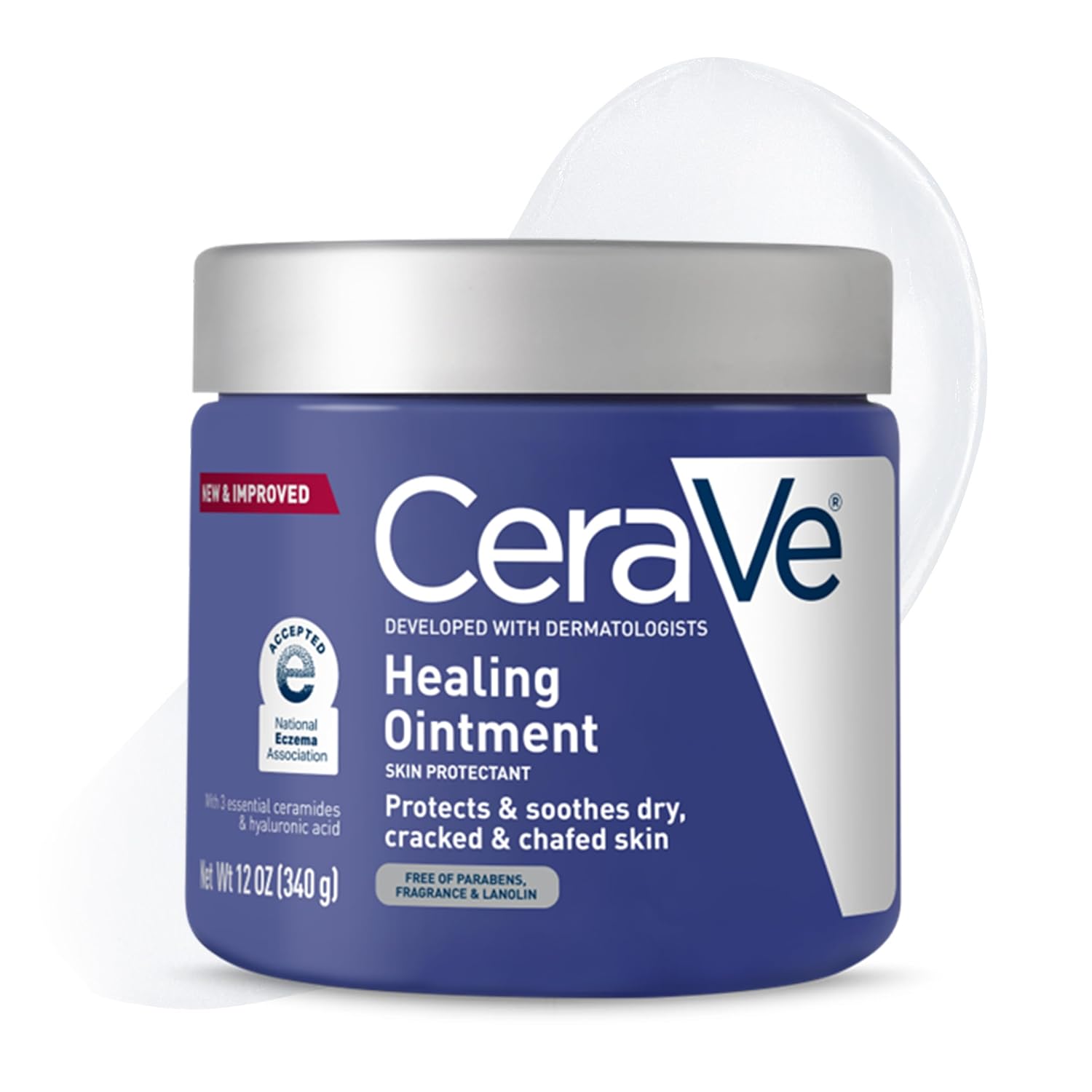
Holy grail. And yes, can be used as a moisturizer! Will be a little greasy, but on winter nights, it slaps. When your face feels raw from December air, this is the move.
Best for Mature Skin
Best Drugstore Moisturizer for Mature Skin: Olay Regenerist Micro-Sculpting Cream

Okay, I'll say it: Olay has never been the 'cool' pick. It doesn't have the TikTok hype of e.l.f. or the pharmacy-chic branding of La Roche-Posay. But the Regenerist Micro-Sculpting Cream has been quietly outperforming a lot of trendier products for years, and the formula actually backs it up. You're getting niacinamide, peptides, and hyaluronic acid in a rich, cushiony base that feels way more expensive than it is. I used to skip past it too, but then I actually looked at the ingredient list and thought, okay fine, I get it. If you're in your 30s, 40s, or beyond and you want one cream that tackles fine lines and hydration without layering five serums, this is a really solid no-nonsense pick. It's not glamorous. It just works.
Best Body Moisturizer
Best Drugstore Body Moisturizer: AmLactin Daily Moisturizing Lotion

If you want the deep dive on why this stuff works (and all the other things it's good for), I wrote an entire post on AmLactin.
Drugstore vs Luxury Moisturizers: When Is It Actually Worth Splurging?
I get this question constantly in clinic. The honest answer is: for most people, most of the time, drugstore is plenty. Ceramides, hyaluronic acid, glycerin, and niacinamide are the same molecules whether they cost $14 or $140. Where you actually pay more for luxury is texture, sensory experience, packaging, and sometimes (not always) more elegant delivery systems.
Here is when I actually do recommend splurging.
If you have specific clinical concerns beyond hydration. For instance, if you're trying to fade post-inflammatory hyperpigmentation, a luxury formula with a higher concentration of stabilized tranexamic acid or stronger encapsulated retinaldehyde might genuinely outperform the drugstore version. For active treatment, the better formulation can earn its price tag.
If texture is keeping you from being consistent. A $90 cream you actually look forward to using twice a day will outperform a $15 cream you keep forgetting because the smell is bad. Consistency beats potency. If a luxury product makes you actually use it, that's a legitimate value calculation.
If you have a specific allergy or intolerance to a common drugstore filler. Some drugstore formulas use ingredients that are technically safe but irritating for a small subset of users. Luxury brands sometimes leave those out for marketing reasons, which can incidentally make them tolerate better.
For everyone else: the drugstore versions on this list are doing 90 to 95% of what their luxury counterparts do, often using the same active ingredients. Save the money for sunscreen, a retinoid, and your favorite serum.
Ingredients to Look For in a Great Drugstore Moisturizer
Ceramides. Rebuild the skin barrier and lock moisture in. Non-negotiable for dry or compromised skin.
Hyaluronic Acid. A humectant that can hold up to 1,000 times its weight in water. Great for all skin types.
Glycerin. Underrated, affordable humectant found in nearly every great drugstore cream. If you see it in the top five ingredients, that's usually a good sign.
Niacinamide. Reduces redness, supports the barrier, helps regulate oil, and assists with post-inflammatory pigmentation. One of the most versatile ingredients in modern dermatology.
Squalane. Lightweight, non-comedogenic emollient that mimics your skin's natural oils. Great for sensitive and acne-prone skin.
Peptides. Signal skin to produce collagen. Worth prioritizing in your 30s and beyond. Look for products with multi-peptide complexes rather than a single peptide for broader benefits.
Panthenol (Pro-Vitamin B5). Calms, hydrates, and supports wound healing. Especially useful for actives-heavy routines and compromised barriers.
Madecassoside. The active extract from centella asiatica. Soothes redness, supports barrier repair, and pairs beautifully with retinoids.
Ingredients I Skip (and Why)
There are a few ingredients I always tell patients to watch out for. Not because they're 'toxic' or scary, but because they're genuinely more likely to irritate your skin than help it, especially if you're using actives like retinol or exfoliating acids.
Added fragrance is the big one. And I mean both synthetic fragrance AND natural fragrance. Your skin doesn't care if the irritant came from a lab or a lavender field. If the ingredient list says 'parfum,' 'fragrance,' or lists a bunch of essential oils like lavender, tea tree, or eucalyptus, that's a pass for me. They smell nice. Your moisture barrier does not care.
Denatured alcohol (listed as 'alcohol denat.') is another one I skip when it's high up on the ingredient list. A tiny amount buried near the bottom? Probably fine. But when it's in the first five or six ingredients, it's there to make the formula dry down fast, at the expense of stripping your barrier over time. Not what you want in a product that's supposed to be protecting your skin.
Same goes for old-school astringents like witch hazel and menthol. They feel 'refreshing' in the moment, but that tingle isn't your skin thanking you. It's low-grade irritation. If your moisturizer is stinging or burning, one of these is usually the culprit.
How to Layer Your Drugstore Moisturizer in a Routine
One of the biggest mistakes I see patients make isn't picking the wrong moisturizer. It's putting a great moisturizer in the wrong place in their routine. Here's how to layer it correctly.
Morning
- Gentle, non-foaming cleanser (or just splash with lukewarm water if you cleansed at night)
- Vitamin C or antioxidant serum on damp skin (optional but recommended)
- Hydrating serum with hyaluronic acid or panthenol
- Moisturizer (any of the daytime-friendly picks: Avene Tolerance Control, CeraVe PM, Vanicream, La Roche-Posay Toleriane Matte)
- Mineral or hybrid sunscreen, broad-spectrum SPF 30 or higher
Evening
- Gentle cleanser (double cleanse if you wore makeup or SPF)
- Wait until skin is completely dry (especially important on retinoid nights)
- Active treatment if it's an active night (retinoid, exfoliant)
- Hydrating serum
- Moisturizer (richer picks work great here: Aestura Atobarrier365, CeraVe PM, Olay Regenerist, Prequel Half & Half)
- Optional: thin slug of CeraVe Healing Ointment on dry zones for overnight repair
If you're sandwiching your moisturizer around tretinoin, my full sandwich method walkthrough covers the exact timing.
Using a Drugstore Moisturizer With Tretinoin or Retinol
This part deserves its own section, because it's where I see the most people go wrong. Retinoids speed up skin-cell turnover, and especially in the first few weeks, that often means dryness, flaking, and that tight, papery feeling. A good moisturizer isn't optional here. It's the thing that keeps you consistent enough to actually see results.
Two things matter. First, reach for a ceramide-rich, fragrance-free formula. The Aestura Atobarrier365, Avene Tolerance Control, CeraVe PM, and Vanicream all qualify. Second, think about how you're layering it. A lot of my patients find that applying moisturizer before AND after their retinoid (the 'sandwich' method) makes the whole routine far more tolerable without blunting the results.
I've gone deep on this elsewhere, so if you're a retinoid user, start with my best moisturizers to use with tretinoin guide, the tretinoin sandwich method walkthrough, and my best moisturizers for tretinoin peeling guide if you're in the worst of the flake. And if you're just getting started, best retinol for beginners will save you some trial and error.
Common Mistakes I See With Drugstore Moisturizers
- Buying the wrong formula for your skin type because the brand is popular. CeraVe is great, but the tub is too heavy for oily skin, the Oil Control is too matte for dry skin, and the PM is the sweet spot for most combination skin. Match the texture to your needs, not the marketing.
- Applying moisturizer to bone-dry skin. Apply within 60 seconds of cleansing or after a hydrating serum, while skin is still slightly damp. Damp application traps water in the skin and dramatically boosts how moisturized you feel by hour two.
- Using too little. A pea-sized amount is not enough for the whole face. Aim for a quarter-sized scoop, applied in upward strokes from the jaw to the hairline.
- Skipping moisturizer on oily skin nights because 'oily skin doesn't need it.' Oily skin still needs barrier support, often more than dry skin does, because the overproduction of sebum is sometimes a compensatory response to a weakened barrier.
- Layering too many active products on top of a fragile barrier. If your moisturizer is fine but your skin is still tight or peeling, the issue is probably the product before it, not the moisturizer itself.
How Long Should a Drugstore Moisturizer Last?
Most full-size tubes and jars (1.5 to 3 ounces) should last about three to four months with twice-daily use. If yours is lasting six months or more, you're probably using too little (see mistake #3 above). If it's lasting under two months, you're using too much, or you're applying it to the body when you should be using a body-specific lotion.
Check the little jar symbol on the packaging for the after-opening shelf life. Most facial moisturizers are good for 6 to 12 months after opening (the number inside the symbol). If the texture, smell, or color changes, or it starts to separate, replace it sooner.
Frequently Asked Questions
What is the best drugstore moisturizer?
For most people, Avene Tolerance Control is the best all-around drugstore moisturizer of 2026. It's minimalist, fragrance-free, and built for reactive skin, which makes it a safe bet for almost everyone. But the truly 'best' pick depends on your skin type: Vanicream for sensitive skin, CeraVe Oil Control Gel-Cream for oily skin, CeraVe PM for combination skin, and Prequel Half & Half for dry skin.
Are drugstore moisturizers as good as luxury moisturizers?
Yes. Moisturizer is one of the categories where price and performance just aren't strongly linked. Ceramides, hyaluronic acid, glycerin, and niacinamide are inexpensive, well-studied ingredients, and they work just as well in a $14 cream as in a $90 one.
What's the best drugstore moisturizer for dry skin in 2026?
Prequel Half & Half Peptides + Ceramides is my top pick for dry skin. It pairs humectants that pull water in with ingredients that seal it in, so skin stays comfortable for hours. In deep winter, layer CeraVe Healing Ointment on top of it at night for very dry patches.
What's the best drugstore moisturizer for oily skin?
CeraVe Oil Control Moisturizing Gel-Cream is my top oily-skin pick. It pairs niacinamide and licorice root to regulate oil with the ceramides CeraVe is known for, so it controls shine without compromising your barrier. It also wears beautifully under sunscreen and makeup.
What's the best drugstore moisturizer for combination skin?
CeraVe PM Facial Moisturizing Lotion is my top combination-skin pick. The lightweight texture works on oily zones while the ceramides and niacinamide support drier areas, so you get balance instead of needing two separate products.
What's the best drugstore moisturizer for acne-prone skin?
La Roche-Posay Toleriane Double Repair Matte is my top acne-prone pick. The matte finish controls shine without stripping the barrier, and the niacinamide and ceramide formula plays well with topical acne treatments.
Can I use a drugstore moisturizer with tretinoin or retinol?
Absolutely. Just choose a fragrance-free, ceramide-rich formula. Aestura Atobarrier365 and Avene Tolerance Control are my favorite affordable options for buffering retinoid dryness. There's a full breakdown in my best moisturizers to use with tretinoin guide.
Is CeraVe or Vanicream better?
Both are dermatologist favorites. Vanicream has the shorter, more strictly irritant-free ingredient list, which gives it the edge for highly reactive or allergy-prone skin. CeraVe offers more variety (gel-creams, ointments, oil-control formulas) so it's easier to match to a specific skin type. I compare them in detail in my Vanicream vs CeraVe post.
How often should I replace my moisturizer?
Check the little jar symbol on the packaging. Most moisturizers are good for 6 to 12 months after opening. If the texture, smell, or color changes, or it starts to separate, replace it sooner.
Do I need a separate AM and PM moisturizer?
Not necessarily, but it can help. A lot of my patients prefer a lighter formula in the morning under sunscreen and a richer cream at night for overnight barrier repair. If you'd rather use one product, CeraVe PM and Avene Tolerance Control both pull double duty beautifully.
Keep Reading
- The Best Moisturizers to Use with Tretinoin
- The Best Moisturizer for Tretinoin Peeling
- Vanicream vs CeraVe: Which Is Better for Sensitive Skin?
- Best Retinol for Beginners (2026 Update)
- Why Does My Moisturizer Burn?
- Cicaplast Gel B5: What It's Actually For
- AmLactin Lotion: A Dermatologist's Guide
You Might Also Like
More affordable skincare guides
Best Drugstore Moisturizers for Mature Skin
9 anti-aging drugstore picks under $35 with peptides, retinol, and ceramides. Skin type sub-picks included.
Read More → Sensitive SkinVanicream vs CeraVe: Which Is Better?
A head-to-head of the two most popular sensitive skin brands. Which one is actually better for your skin?
Read More → TretinoinBest Moisturizers to Use With Tretinoin
8 dermatologist picks by skin type, including which drugstore options work best with a retinoid routine.
Read More → Body CareAmLactin Lotion: 7 Uses a Derm Recommends
Body care companion piece. Everything AmLactin is good for: KP, crepey skin, rough texture, and more.
Read More →The Final Verdict
If I could only keep one drugstore moisturizer in my bathroom for the rest of the year, it would be the Avene Tolerance Control. Not because it's flashy (it's literally the opposite of flashy) but because it does the one thing a moisturizer is supposed to do better than almost anything else on the shelf: hydrate your skin without messing with it. No fragrance, no filler ingredients, no 'but will this break me out' anxiety. It just works.
That said, the whole point of this list is that there's no single best moisturizer for everyone. If you're dry, the Prequel Half & Half is doing something really special with peptides right now. If you're oily and have been burned by heavy creams, the CeraVe Oil Control might genuinely change how you feel about moisturizer. If you're combination, the CeraVe PM is the quietest hero of this entire list. And if you're on tretinoin and your face is staging a revolt, the Atobarrier365 is the barrier hug you need.
The best drugstore moisturizer is the one you'll actually use every single day. Pick the one that matches your skin type, fits your budget, and doesn't sit untouched on your shelf. That's the one that works.
Questions? Drop them in the comments. I read all of them and I'll do my best to point you in the right direction.
This post contains affiliate links, which means I may earn a small commission if you purchase through them at no additional cost to you. I only recommend products I have personally used or recommend in clinic. This article is for educational purposes only and does not constitute personal medical advice; please consult your own dermatologist for individualized care.