
Best Moisturizers to Use With Tretinoin
Below are the eight moisturizers I actually recommend to patients using tretinoin, organized by skin type and tolerability so you can find the right one for your skin. Updated for 2026 with three new picks that have become my go-tos in clinic this year.
For most patients, Avene Tolerance Control is the best overall moisturizer to use with tretinoin. The right pick depends on your skin type:
- Sensitive or reactive skin: Avene Tolerance Control
- Acne-prone skin: Vanicream Facial Moisturizer
- Combination skin: CeraVe PM Facial Moisturizing Lotion
- Dry skin: CeraVe Moisturizing Cream
- Normal-to-dry skin (richer): Kiehl's Ultra Facial Cream
- Best for retinoid pairing: Aestura Atobarrier365
- Severe peeling rescue: SkinCeuticals Triple Lipid Restore
Just Tell Me Which One to Buy
My four easiest picks based on what your skin is doing right now.
Affiliate links. I may earn a commission at no additional cost to you.
If your moisturizer already burns, start with my guide on why moisturizer stings and what to do instead. If you're actively peeling, my best moisturizer for tretinoin peeling guide covers the rescue routine.
Affiliate disclosure: This post contains affiliate links. If you purchase through these links, I may earn a small commission at no extra cost to you. I only recommend products I personally use or recommend in clinic.
Why Tretinoin Causes Dryness and Irritation
Tretinoin works by binding to retinoic acid receptors in your skin and dramatically accelerating cell turnover. That accelerated turnover is what gives you the smoother texture, faded pigmentation, softened fine lines, and clearer skin you signed up for. But it also disrupts the stratum corneum (your outermost skin layer) faster than your barrier can rebuild itself.
Without adequate barrier support, this leads to:
- Burning or stinging on application
- Peeling and flaking, especially in weeks 2 to 6
- Redness and visible sensitivity
- Increased water loss through the skin (transepidermal water loss)
- A frustrating cycle of irritation that pushes most people to quit
The fix is not stopping tretinoin. The fix is choosing a moisturizer that genuinely supports the barrier and using it correctly. Here is what to look for.
What to Look For in a Tretinoin Moisturizer
Not all moisturizers are equipped to handle a retinized barrier. When patients ask me what to look for, I tell them to scan the ingredient list for three categories.
Humectants pull water into the skin. These include hyaluronic acid, glycerin, panthenol (B5), and urea. They give an immediate hydrating sensation and reduce tightness.
Emollients smooth and soften the rough, scaly texture that tretinoin can cause. Ceramides (ceramide NP, AP, EOP), cholesterol, fatty acids, squalane, and shea butter patch the cracks in the barrier.
Occlusives seal everything in and prevent water from evaporating off your face. Petrolatum, dimethicone, and lanolin are the heavy hitters. You don't always need a heavy occlusive, but during active peeling it's one of the fastest ways to calm things down.
- Added retinoids, retinaldehyde, or retinyl esters (double-dipping causes irritation)
- Fragrance and essential oils, which sting compromised skin
- Denatured alcohol high on the ingredient list
- Other strong actives like AHAs, BHAs, or vitamin C in the same formula
- Anything claiming to "exfoliate" or "renew" while you're using tretinoin
Quick Comparison: My 8 Picks Side by Side
| Moisturizer | Best For | Tier |
|---|---|---|
| Avene Tolerance Control | Best overall, sensitive skin | Drugstore |
| Vanicream Facial Moisturizer | Acne-prone, very sensitive | Drugstore |
| CeraVe PM Facial Moisturizing Lotion | Combination skin, night use | Drugstore |
| La Roche-Posay Toleriane Double Repair | Normal to combination skin | Drugstore |
| CeraVe Moisturizing Cream | Dry skin, night use | Drugstore |
| Aestura Atobarrier365 Cream | Best for retinoid pairing | Drugstore |
| Kiehl's Ultra Facial Cream | Normal to dry, richer feel | Mid-range |
| SkinCeuticals Triple Lipid Restore | Severe peeling rescue | Luxury |
Best Moisturizer for Tretinoin: Sensitive Skin
01 / Best Overall + Best for Sensitive Skin
Avene Tolerance Control
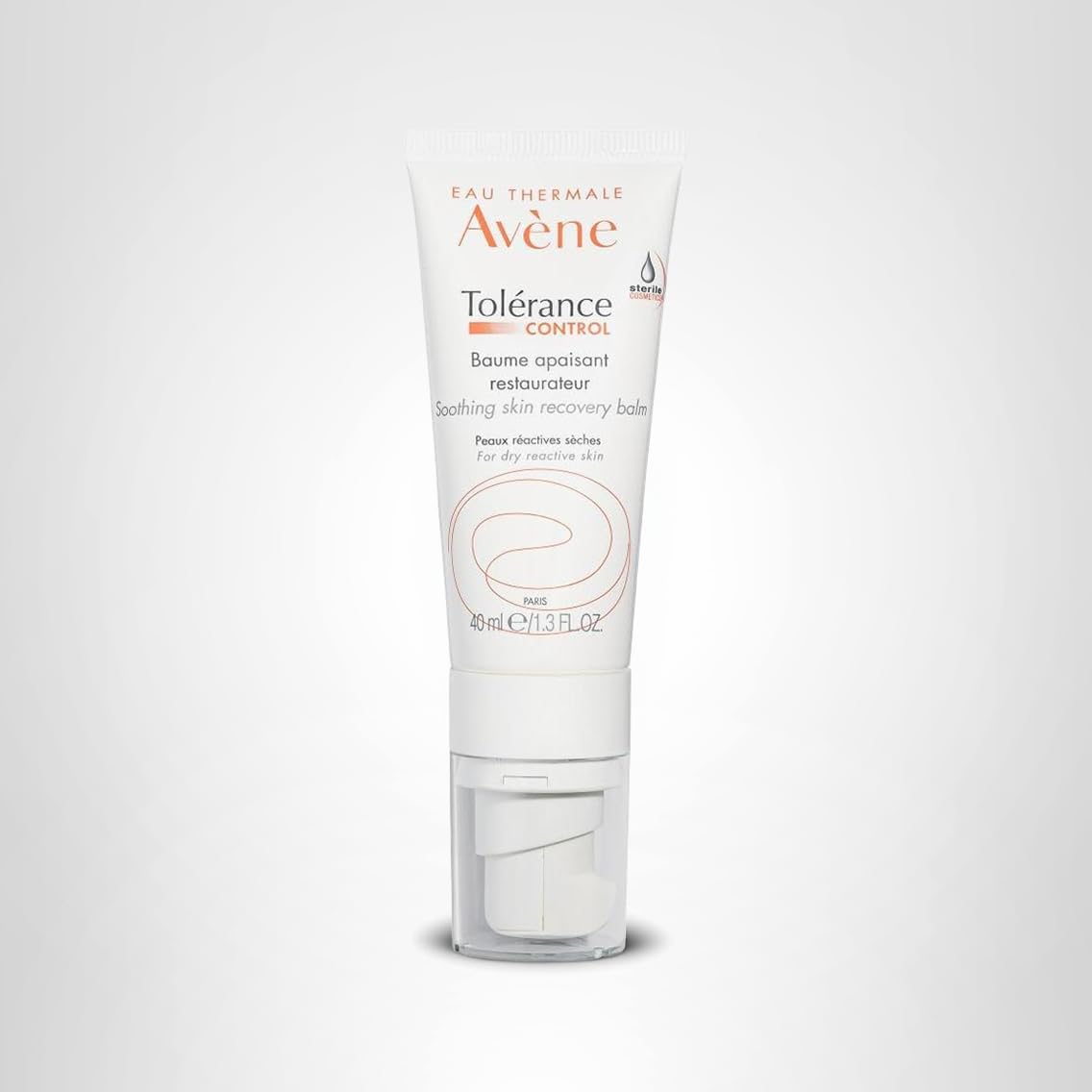
Avene Tolerance Control is one of my top recommendations (and one of my holy grails) for patients whose skin becomes extremely reactive on tretinoin. It has a minimalist ingredient list and is especially helpful when even "gentle" products start to sting. Avene reformulated this in recent years around D-Sensinose, a postbiotic that quiets overreactive skin signaling, paired with their signature thermal water.
I recommend this as the everyday workhorse for patients on tretinoin who want one cream that handles AM and PM use without flaring sensitive skin. It absorbs into a velvety finish that wears beautifully under sunscreen.
Best Moisturizer for Tretinoin: Acne-Prone Skin
02 / Best for Acne-Prone Skin
Vanicream Facial Moisturizer

Vanicream Facial Moisturizer is my go-to for patients who are acne-prone but still experience irritation on tretinoin. It provides hydration without clogging pores or adding common irritants. The brand is built around a strict free-from formulation policy: no fragrance, no dyes, no parabens, no lanolin, no common allergens. That makes it tolerable for skin types that react to everything else.
For more on the sensitive-skin pick (and how Vanicream compares to CeraVe), see my Vanicream vs CeraVe comparison.
Best Moisturizer for Tretinoin: Combination Skin (Night Use)
03 / Best for Combination Skin and Night Use
CeraVe PM Facial Moisturizing Lotion

CeraVe PM is my favorite night moisturizer for combination skin on tretinoin. The texture is light enough that it doesn't congest the T-zone, while the ceramide and niacinamide combination gives drier zones the barrier support they need. Niacinamide is a bonus here because it helps with the post-inflammatory pigmentation that can develop during tretinoin acclimation, especially in deeper skin tones.
Despite the PM in the name, I have plenty of patients who use it AM and PM. It plays beautifully over tretinoin in a sandwich method routine.
Best Moisturizer for Tretinoin: Normal to Combination Skin
04 / Best for Normal to Combination Skin
La Roche-Posay Toleriane Double Repair

La Roche-Posay Toleriane Double Repair is an excellent option if you need barrier support but don't tolerate very heavy creams. It layers well with tretinoin and works for patients who want something protective but still cosmetically elegant. The ceramide-3 and niacinamide combination at this price point is genuinely impressive.
This is the one I'd personally pick if I had to choose one drugstore moisturizer for daily tretinoin use. It pulls double duty as an AM moisturizer under sunscreen and an evening moisturizer over tretinoin.
Best Moisturizer for Tretinoin: Dry Skin
05 / Best for Dry Skin
CeraVe Moisturizing Cream

CeraVe Moisturizing Cream is ideal for patients who develop significant dryness or eczema on tretinoin. The rich tub formula contains three ceramides and uses CeraVe's patented MultiVesicular Emulsion technology, which releases hydration over time. That slow release is genuinely useful during tretinoin acclimation because it keeps your barrier supported for hours after application.
For more severe irritation, I often recommend layering CeraVe Healing Ointment on top at night to seal in moisture and support barrier repair. This is the "slugging" approach and it works beautifully during peeling phases.
Best Moisturizer for Tretinoin: Retinoid Pairing
06 / Best for Retinoid Pairing
Aestura Atobarrier365 Cream

Aestura Atobarrier365 has quickly become a clinic favorite specifically for retinoid pairing. The Korean drugstore brand combines ceramide NP, niacinamide, squalane, and panthenol in a formula that genuinely calms reactive skin. The texture is rich enough to support a compromised barrier but absorbs cleanly without pilling under sunscreen.
I recommend this to patients who are deep in tretinoin acclimation and finding that standard drugstore options aren't quite enough. Pair this with the tretinoin sandwich method for the easiest possible acclimation.
Best Moisturizer for Tretinoin: Normal to Dry (Mid-Range)
07 / Mid-Range Pick for Normal to Dry Skin
Kiehl's Ultra Facial Cream

Kiehl's Ultra Facial Cream is a good option for patients who want something richer than a drugstore lotion but still well-tolerated with tretinoin. While not a traditional drugstore product, it is widely available and works well for patients who don't tolerate heavier occlusives or want a more luxurious skincare experience without going full luxury price point.
I usually recommend this for normal-to-dry patients who are past the initial acclimation phase and want their evening routine to feel a bit more indulgent.
Best Moisturizer for Tretinoin: Severe Peeling Rescue
08 / Best Luxury Pick for Severe Peeling
SkinCeuticals Triple Lipid Restore 2:4:2
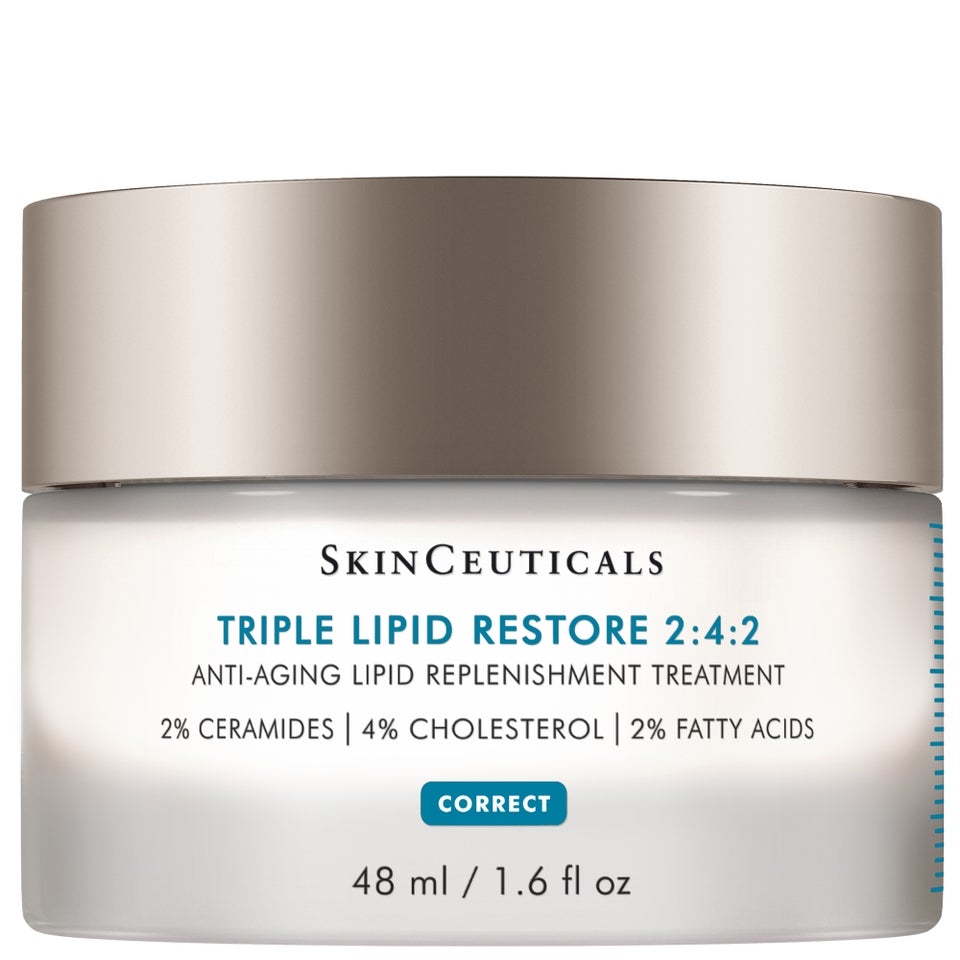
If peeling is severe and your barrier is genuinely depleted, this is the splurge that earns its price tag. The 2:4:2 in the name refers to the clinical ratio of cholesterol, fatty acids, and ceramides that mimics the lipid composition of healthy young skin. When tretinoin breaks down your barrier, you're losing exactly these lipids, and Triple Lipid is one of the only over-the-counter moisturizers formulated to replace them in the proper ratio.
I usually recommend this for short-term use during severe peeling phases or for patients with mature skin on a higher tretinoin strength who need more than a drugstore cream can provide. For the full peeling rescue routine, see my best moisturizer for tretinoin peeling guide.
Should I Apply Moisturizer Before or After Tretinoin?
This is the question I get asked most often, and the honest answer is: both can work, and the best technique depends on your goals and your skin.
Apply moisturizer first (the buffering method): This slightly reduces tretinoin penetration and is the gentlest option for true beginners or anyone with reactive skin. Apply your moisturizer to clean dry skin, wait 5 to 10 minutes for it to absorb, then apply tretinoin on top. Use this if you're nervous about starting or have a history of barrier issues.
Apply tretinoin first, moisturizer on top: This is the standard prescription instruction and maximizes tretinoin efficacy. Apply tretinoin to completely dry skin, wait 20 minutes for it to absorb, then apply your moisturizer. Use this if your skin tolerates tretinoin well and you want maximum results.
The sandwich method (my favorite for beginners): Apply moisturizer, then tretinoin once the moisturizer absorbs, then more moisturizer on top. This buffers tretinoin without significantly reducing its efficacy and dramatically reduces irritation during the acclimation phase. It's also the technique I walk every new tretinoin patient through. Full breakdown in my tretinoin sandwich method guide.
The Step-by-Step Routine: AM and PM With Tretinoin
Morning
- Gentle, non-foaming cleanser (or just splash with lukewarm water)
- Hydrating serum with hyaluronic acid or panthenol on damp skin
- Moisturizer (Avene Tolerance Control, CeraVe PM, or Vanicream all work well AM)
- Mineral or hybrid sunscreen, SPF 30 or higher (non-negotiable on tretinoin)
Evening (Tretinoin Nights)
- Gentle cleanser (double cleanse if you wore makeup or SPF)
- Wait until skin is completely dry (this is critical, damp skin increases irritation)
- Tretinoin, pea-sized amount, spread thin across entire face
- Wait 20 minutes
- Moisturizer (Aestura Atobarrier365, CeraVe Moisturizing Cream, or SkinCeuticals Triple Lipid all work well at night)
- Optional: thin slug of CeraVe Healing Ointment on dry zones for severe peeling
Evening (Off Nights)
- Gentle cleanser
- Hydrating serum
- Moisturizer
- Optional: occlusive on top during winter or peeling phases
Common Mistakes I See With Tretinoin and Moisturizer
- Skipping moisturizer to "let tretinoin work harder" (this just causes barrier damage and makes you quit)
- Using a moisturizer with added retinoids, AHAs, or vitamin C (you're stacking irritation)
- Applying tretinoin to damp skin (dramatically increases absorption and irritation)
- Going nightly from day one (start at 2-3 nights per week and build up over 8-12 weeks)
- Not using sunscreen daily (tretinoin makes you photosensitive and unprotected sun undoes the work)
Best Moisturizer for Tretinoin Peeling
During active peeling, your moisturizer needs change. Reach for richer, more occlusive options like SkinCeuticals Triple Lipid Restore, CeraVe Moisturizing Cream layered with Aquaphor, or Avene Cicalfate+. The lighter daily picks (Avene Tolerance, LRP Toleriane Double Repair) work for maintenance but aren't enough when your skin is actively flaking.
I've written a full dedicated guide on this because peeling is one of the biggest reasons people quit tretinoin. See my best moisturizer for tretinoin peeling guide for the rescue routine and product picks.
Frequently Asked Questions
What is the best moisturizer to use with tretinoin?
For most patients, Avene Tolerance Control is the best overall moisturizer to use with tretinoin. It's minimalist, fragrance-free, and built for reactive skin. The right pick depends on your skin type: Vanicream for sensitive or acne-prone skin, CeraVe PM for combination skin, CeraVe Moisturizing Cream for dry skin, and Aestura Atobarrier365 specifically for retinoid pairing.
Should I apply moisturizer before or after tretinoin?
Both can work. Applying moisturizer first (the buffering method) reduces tretinoin penetration slightly and is the gentlest option for beginners. Applying tretinoin first then moisturizer on top maximizes tretinoin effect. Many patients use the sandwich method: moisturizer, then tretinoin, then more moisturizer for the best balance of efficacy and tolerance.
How long does tretinoin irritation last?
Most patients see significant improvement in dryness, peeling, and irritation within 4 to 8 weeks as the skin barrier adapts. Severe irritation that lasts longer than 12 weeks often means your tretinoin strength is too high, frequency is too aggressive, or your barrier support routine is insufficient.
Can I use the same moisturizer day and night with tretinoin?
You can, but many patients do better using a lighter formula in the morning under sunscreen and a richer cream at night for overnight barrier repair. CeraVe PM and Avene Tolerance Control both work well as dual-use options for combination and normal skin.
What is the best moisturizer for tretinoin peeling?
During active peeling, reach for richer, more occlusive options. SkinCeuticals Triple Lipid Restore, Avene Cicalfate+, and CeraVe Moisturizing Cream all work well. I have a dedicated guide on this in the tretinoin peeling article.
Can I use a drugstore moisturizer with tretinoin?
Yes. Most of my top picks for tretinoin pairing are drugstore products: CeraVe Moisturizing Cream, CeraVe PM, Vanicream, La Roche-Posay Toleriane Double Repair, and Aestura Atobarrier365. You do not need to spend luxury prices for effective tretinoin pairing.
What ingredients should I look for in a tretinoin moisturizer?
Look for ceramides, niacinamide, hyaluronic acid, glycerin, panthenol, and squalane. These ingredients support the skin barrier without competing with tretinoin. Avoid moisturizers with added retinoids, AHAs, BHAs, vitamin C, fragrance, or denatured alcohol.
What is the sandwich method for tretinoin?
The sandwich method involves applying moisturizer first, then tretinoin once the moisturizer has absorbed, then more moisturizer on top. This buffers the tretinoin without significantly reducing efficacy and dramatically reduces irritation during the acclimation phase. I cover the full technique in my tretinoin sandwich method guide.
Can I use moisturizer with tretinoin if I have acne?
Yes, and you should. Skipping moisturizer with tretinoin makes acne worse, not better, because a compromised barrier triggers more sebum production. Vanicream and La Roche-Posay Toleriane Double Repair are both non-comedogenic, fragrance-free, and acne-friendly.
Can I use an occlusive with tretinoin?
Yes. Occlusives like petrolatum (Aquaphor or CeraVe Healing Ointment) can be very helpful when layered over moisturizer at night to reduce irritation. This is called slugging. Apply tretinoin first, wait 20 minutes, then your moisturizer, then a thin layer of occlusive only on dry zones. Avoid slugging on acne-prone areas.
You Might Also Like
Keep going with the tretinoin cluster
Best Retinol for Beginners (2026)
Thinking about starting a retinoid but not ready for prescription? Start here with 7 dermatologist-picked options.
Read More → TretinoinBest Moisturizer for Tretinoin Peeling
Deep in the peeling phase? These are the exact products I recommend to patients to stop the flake fast.
Read More → TechniqueThe Tretinoin Sandwich Method
The exact layering technique I walk every new tretinoin patient through. Reduces irritation without losing efficacy.
Read More → DrugstoreBest Drugstore Moisturizers 2026
12 dermatologist-tested drugstore moisturizers with picks for every skin type, all under $35.
Read More →Keep Reading
- Best Retinol Serum for Beginners: 7 Dermatologist Picks
- The Tretinoin Sandwich Method: A Dermatologist's Walkthrough
- Best Moisturizer for Tretinoin Peeling
- Best Retinol for Beginners (2026 Update)
- Why Does My Moisturizer Burn?
- Cicaplast Gel B5 vs Baume B5: Every Use
- Best Drugstore Moisturizers of 2026
The Final Take from a Dermatologist
The right moisturizer can determine whether tretinoin is tolerable or miserable. Supporting the skin barrier allows you to stay consistent and see results.
My top three across budgets: Avene Tolerance Control as the best overall, Vanicream for acne-prone skin, and Aestura Atobarrier365 specifically for retinoid pairing. Use the sandwich method and don't skip SPF.
Already have your moisturizer? The way you apply it matters just as much as which one you pick. Read my full guide to the tretinoin sandwich method, the exact technique I walk every new tretinoin patient through.
For more dermatologist-tested skincare guidance, follow me on Instagram and TikTok.
This post contains affiliate links, which means I may earn a small commission if you purchase through them at no additional cost to you. I only recommend products I personally use or recommend in clinic. This article is for educational purposes only and does not constitute personal medical advice; please consult your own dermatologist for individualized care.