
Why Does My Moisturizer Burn? A Dermatologist Explains
If your moisturizer suddenly burns or stings when you put it on, your skin is trying to tell you something. And no, the answer usually is not that you need to "push through it."
Most of the time, the moisturizer itself is not even the real problem. The most common culprit is an irritated or compromised skin barrier, often from tretinoin, exfoliating acids, over-cleansing, cold weather, or simply doing too much to your skin at once.
The good news? This is usually very fixable.
If a moisturizer that normally feels fine suddenly burns, your skin barrier is probably irritated. Common triggers include starting or increasing tretinoin, over-exfoliating, layering too many active ingredients, harsh cleansing, dry weather, or reacting to an ingredient in the moisturizer itself. Temporarily simplify your routine and use the blandest fragrance-free moisturizer your skin tolerates.
Why Does My Moisturizer Burn? 5 Common Reasons
The pattern of the burning usually gives you a pretty good clue about what is going on.
Your Skin Barrier Is Compromised
This is the most common reason I see. Your skin barrier acts like a protective seal. When that barrier becomes disrupted, things that normally feel completely harmless can suddenly sting, including water, cleanser, sunscreen, and yes, moisturizer.
This commonly happens after starting or increasing tretinoin, retinol, AHAs, BHAs, benzoyl peroxide, or other potentially irritating actives. Over-cleansing, scrubbing, and combining too many exfoliating products can do it too.
What to do
Temporarily pause irritating actives and simplify your routine to a gentle cleanser, bland moisturizer, and sunscreen. Once basic skincare stops stinging and your skin feels comfortable again, gradually reintroduce your actives.
For a step-by-step reset, read my skin barrier repair routine.
You Are Reacting to an Ingredient
Sometimes the moisturizer really is the problem.
Fragrance, essential oils, botanical extracts, preservatives, lanolin, and other ingredients can cause irritation or allergic contact dermatitis in susceptible skin. And frustratingly, you can develop an allergy to something even after you have used it without a problem in the past.
What to do
Stop using that product and switch to a fragrance-free moisturizer with a relatively simple ingredient list. If you repeatedly react to multiple products or the rash persists, see a dermatologist. Patch testing may be useful when allergic contact dermatitis is suspected.
Your Skin Is Very Dry or Irritated
Very dry skin and barrier dysfunction tend to travel together. When the outer layers of skin develop microscopic cracks and lose their normal barrier function, skincare can sting much more easily.
This is especially common during cold NYC winters, after air travel, in low-humidity environments, or when you are using drying acne or anti-aging treatments.
What to do
Use lukewarm rather than hot water, avoid stripping cleansers, and apply moisturizer shortly after cleansing while your skin still retains some moisture. If your skin is very dry, a richer cream or occlusive layer can help reduce water loss while your barrier recovers.
You Are Using Too Many Active Ingredients
This one is incredibly common. You hear that tretinoin is great. Vitamin C is great. Glycolic acid is great. Salicylic acid is great. So naturally, the skincare-brain conclusion is: why not use everything?
Your skin may disagree.
Tretinoin, retinol, AHAs, BHAs, benzoyl peroxide, exfoliating toners, scrubs, and other active treatments can create cumulative irritation. The moisturizer may be the product that stings, but it is not necessarily the product that caused the problem.
What to do
Simplify. Let your skin settle, then reintroduce active ingredients one at a time instead of restarting the entire routine overnight.
If tretinoin is the main offender, my tretinoin sandwich method guide explains one way to make it easier to tolerate.
That Moisturizer Just Is Not Right for Your Skin
Sometimes there is not a complicated diagnosis. Your skin simply does not tolerate that formula.
"Gentle," "clean," "natural," and even "dermatologist tested" do not guarantee that every person will tolerate a product. Skin is annoyingly individual that way.
What to do
Stop using it. You do not get bonus points for finishing a skincare product your face hates.
Why Does My Moisturizer Burn After Tretinoin?
If your moisturizer burns after tretinoin, the tretinoin is often the underlying reason, not the moisturizer.
Tretinoin commonly causes irritation when you first start treatment, increase the strength, use it too frequently, or combine it with other irritating products. As your skin becomes irritated, even a basic moisturizer that normally feels great can suddenly sting.
This can be a useful clue that your routine has crossed the line from productive retinoid use into excessive irritation.
Temporarily reduce or pause irritating products and focus on barrier repair. Once cleanser and moisturizer no longer sting and the redness or peeling has settled, gradually restart tretinoin at a frequency your skin tolerates.
If tretinoin is part of your routine, read my guide to the best moisturizers to use with tretinoin and my guide to the tretinoin sandwich method.
CleansingWhy Does My Moisturizer Burn After Washing My Face?
If your moisturizer burns immediately after washing your face, take a closer look at how you are cleansing.
Your cleanser, or the way you are using it, may be disrupting your skin barrier before the moisturizer ever touches your face.
Common culprits include:
- Very hot water
- Harsh or high-detergent cleansers
- Washing more frequently than your skin tolerates
- Scrubs or cleansing brushes
- Daily exfoliating acid cleansers
- Combining exfoliating cleansers with retinoids or other strong actives
If moisturizer only stings after cleansing, try switching to a gentle cleanser and lukewarm water and skip any scrubbing or exfoliation while your barrier recovers.
Barrier CheckDoes Moisturizer Burning Mean My Skin Barrier Is Damaged?
Often, yes, especially if products that used to feel completely comfortable have suddenly started stinging.
Other signs of an irritated skin barrier can include:
- Redness
- Tightness
- Flaking or peeling
- Rough texture
- Increased sensitivity
- Stinging from water, cleanser, sunscreen, or moisturizer
That said, burning does not automatically equal barrier damage. Irritant contact dermatitis, allergic contact dermatitis, rosacea, and individual ingredient reactions can also cause stinging. The pattern, and what else is happening with your skin, matters.
Should I Stop Using Moisturizer If It Burns?
Stop using that moisturizer. Your skin may not tolerate something in the formula.
Your skin barrier is more likely irritated. You still generally want to moisturize, but simplify your routine and use a bland, fragrance-free formula that your skin tolerates.
Stop the suspected product. Significant or persistent reactions deserve medical evaluation rather than repeated trial and error at home.
Is a Little Tingling Ever Normal?
There is a difference between a brief mild sensation from an active skincare product and true burning from a basic moisturizer.
Some acidic or active formulations can cause transient tingling. That does not automatically mean something is wrong, but discomfort should be mild and short-lived.
That is different. Do not convince yourself pain means the product is "working." A moisturizer should generally feel comfortable.
Stop the product and give your skin a chance to recover.
How to Fix Your Routine When Moisturizer Burns
Strip Back Your Routine
For several days, or longer if your skin is significantly irritated, go back to the basics: a gentle cleanser, a fragrance-free moisturizer, and broad-spectrum sunscreen.
Pause exfoliating acids, scrubs, retinoids, benzoyl peroxide, and other potentially irritating treatments until your basic skincare feels comfortable again.
Choose a Bland Moisturizer
Look for fragrance-free formulas with barrier-supportive or non-irritating ingredients such as glycerin, ceramides, petrolatum, dimethicone, squalane, or panthenol.
"More ingredients" is not necessarily better when your skin is angry.
Be Gentle With Cleansing
Use lukewarm water rather than hot water. Skip cleansing brushes and scrubs. If your cleanser leaves your skin feeling squeaky-clean, tight, or uncomfortable, that is not a feature.
Give Your Skin Time to Recover
Mild irritation can settle fairly quickly. More significant barrier disruption may take longer. Instead of choosing an arbitrary date to restart everything, use your skin as the guide.
A practical checkpoint: cleanser, moisturizer, and sunscreen should feel comfortable again before you start aggressively layering actives.
Reintroduce Actives Slowly
Once your skin is comfortable again, restart one active at a time. If irritation returns, you have much more useful information about what triggered it.
If you are using tretinoin, consider the tretinoin sandwich method or reducing frequency while your skin adjusts.
3 Moisturizers I Like for Sensitive or Irritated Skin
If your current moisturizer is making an already-irritated face even angrier, these are three fragrance-free options I frequently like for sensitive or reactive skin.

A minimalist, fragrance-free option I like for reactive skin when you want hydration without a long list of potentially irritating extras.
Notable Ingredients
Vanicream is a reliable option when your skin is reactive and you want to remove fragrance and unnecessary complexity from your routine.
Why I Like It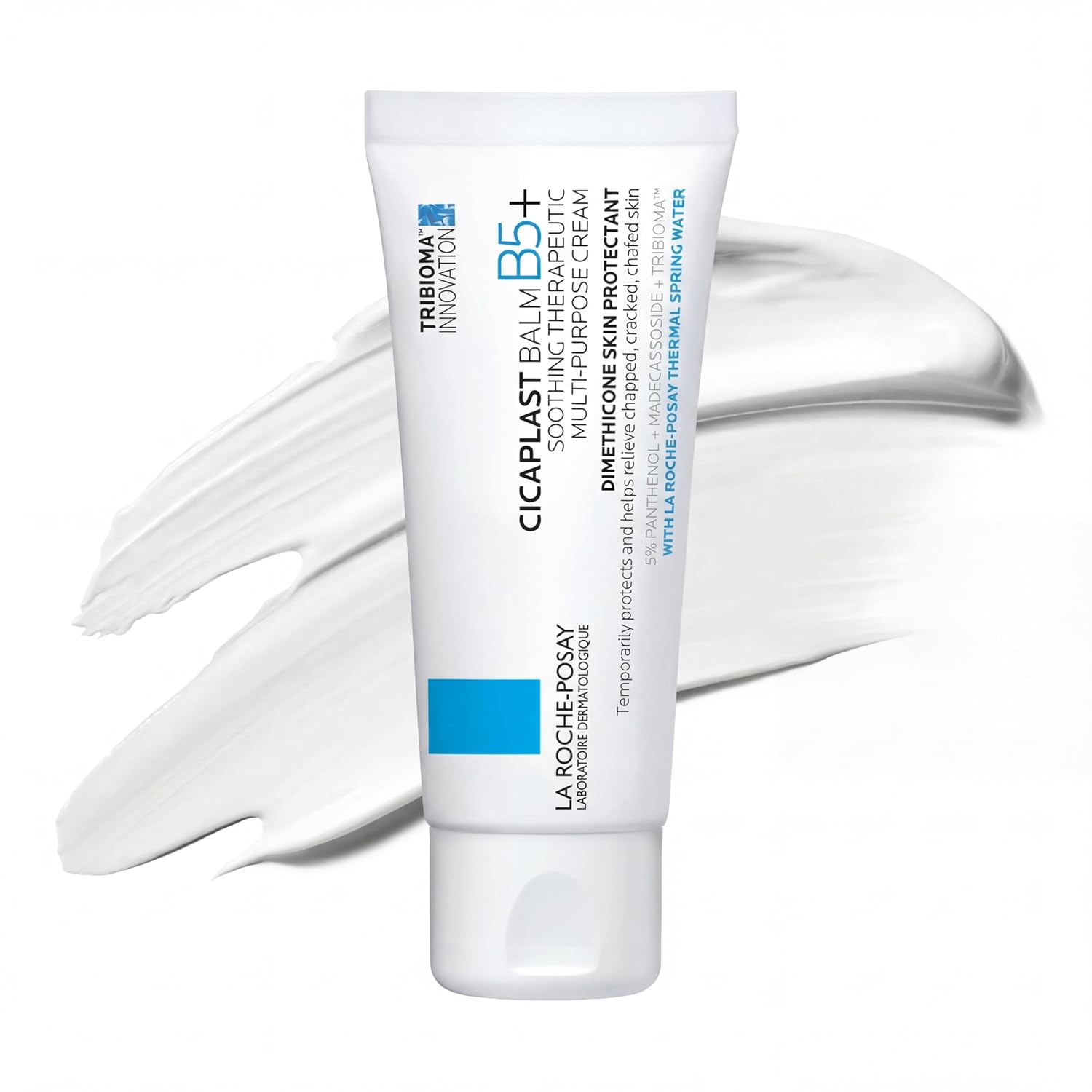
A richer balm I like when skin is dry, flaky, or irritated and needs something more protective. Read my full guide to Cicaplast here.
Notable IngredientsFrequently Asked Questions
Is it normal for moisturizer to burn when you first use it?
True burning from a basic moisturizer is not something you should push through. Some active skincare products can cause brief mild tingling, but a standard moisturizer should generally feel comfortable.
Why does my moisturizer burn my face all of a sudden?
If a moisturizer you have always tolerated suddenly burns, your skin barrier may have become irritated. Think about what changed recently: tretinoin, retinol, exfoliating acids, benzoyl peroxide, stronger cleansing, colder weather, or a new skincare product are common possibilities.
Why does moisturizer burn after tretinoin?
Tretinoin can cause irritation, dryness, peeling, and increased sensitivity, particularly when you are first starting or when the dose or frequency increases. When your barrier becomes irritated, even an otherwise gentle moisturizer can sting.
Can I keep using tretinoin if my moisturizer burns?
If your skin is actively burning, peeling, or significantly irritated, pushing through with the same tretinoin routine usually is not helpful. Let the irritation settle, then gradually restart at a frequency your skin tolerates. Read my tretinoin sandwich method guide for another strategy.
Why does my moisturizer burn after washing my face?
Your cleanser or cleansing habits may be disrupting your barrier. Hot water, aggressive cleansing, exfoliating cleansers, scrubs, and washing more often than necessary can all make moisturizer sting immediately afterward.
Does moisturizer burning mean my skin barrier is damaged?
It can. This is particularly likely when products that previously felt comfortable suddenly sting and your skin is also dry, tight, flaky, red, or sensitive. But ingredient reactions, contact dermatitis, and other skin conditions can cause burning too.
Should I stop using moisturizer if it burns?
If one specific moisturizer burns, stop using that product. If every moisturizer suddenly stings, the underlying issue may be an irritated barrier. In that situation, simplify your routine and use a bland fragrance-free moisturizer that feels comfortable rather than abandoning moisturizer altogether.
When should I see a dermatologist?
See a dermatologist if the burning persists despite simplifying your routine, if you are reacting to multiple bland products, or if you develop significant redness, swelling, scaling, blistering, or a persistent rash. Conditions such as allergic contact dermatitis, irritant dermatitis, rosacea, or eczema may need a more specific diagnosis and treatment plan.
The Bottom Line
If your moisturizer burns, do not assume you need to tough it out or find a "stronger" moisturizer.
The most common explanation is an irritated skin barrier, particularly if you are using tretinoin, exfoliating acids, acne treatments, or several active ingredients at once. Simplify your routine, temporarily remove the likely irritants, and use gentle fragrance-free skincare until your skin feels normal again.
If only one specific moisturizer burns while everything else feels fine? Your skin has already voted. Stop using it.