
Skin Barrier Repair: The Simple Routine That Stops Burning and Irritation
I’m a board-certified dermatologist, and barrier disruption is one of the most common reasons skin becomes sensitive, reactive, and unable to tolerate normal skincare.
Below is the exact simplified routine I recommend to calm inflammation, restore the barrier, and stop stinging as quickly as possible.
If your moisturizer is already burning, start with my guide on why moisturizer stings and what to do instead.
Affiliate disclosure: This post contains affiliate links. If you purchase through these links, I may earn a small commission at no extra cost to you.
The Simplest Barrier Repair Routine
- Use a gentle, non-foaming cleanser
- Apply a fragrance-free barrier moisturizer
- Add an occlusive layer at night if needed
- Stop all active ingredients temporarily
Step 1: Use a Truly Gentle Cleanser
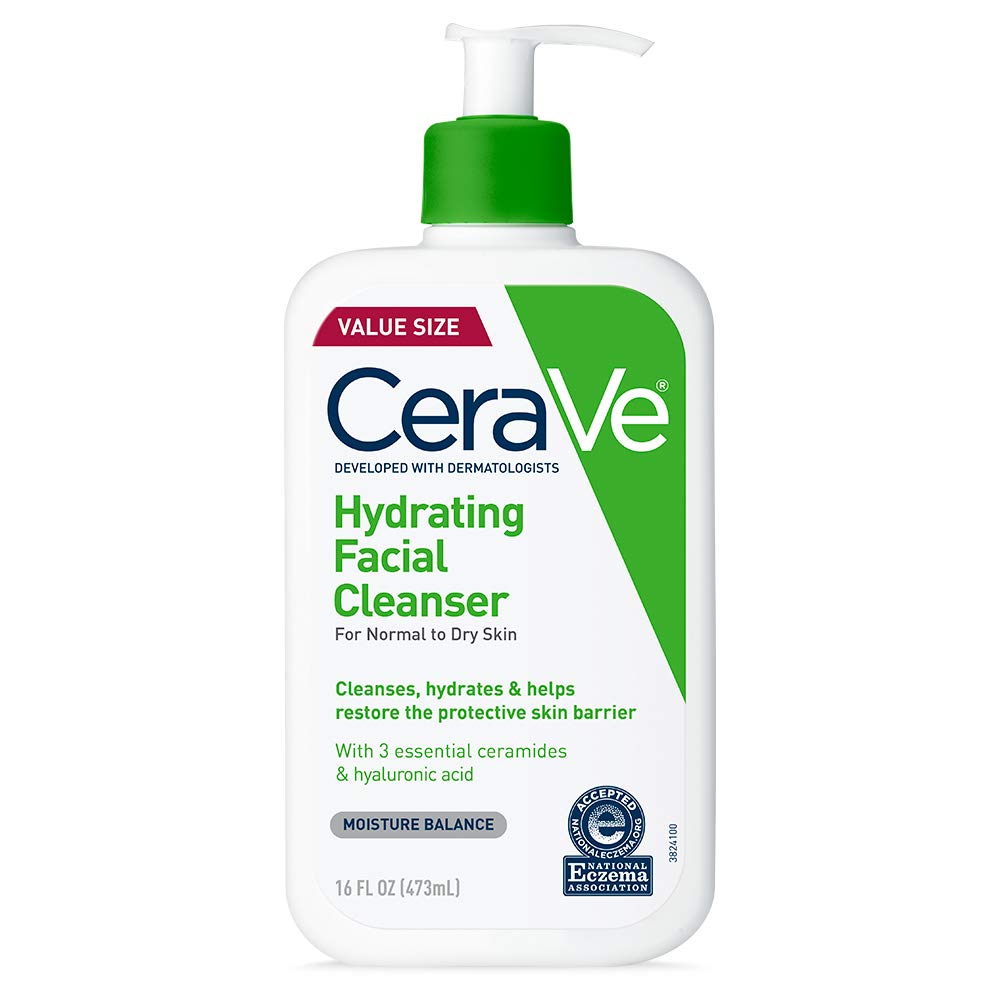
CeraVe Hydrating Cleanser is my go-to when skin is burning or peeling. It cleans without stripping the barrier further.
Step 2: Apply a Barrier-Safe Moisturizer


- Avène Tolérance → best for extremely reactive skin
- La Roche-Posay Double Repair → best balance of barrier repair and cosmetic elegance
- Vanicream Facial Moisturizer → best for acne-prone sensitive skin
Step 3: Add Extra Barrier Protection at Night

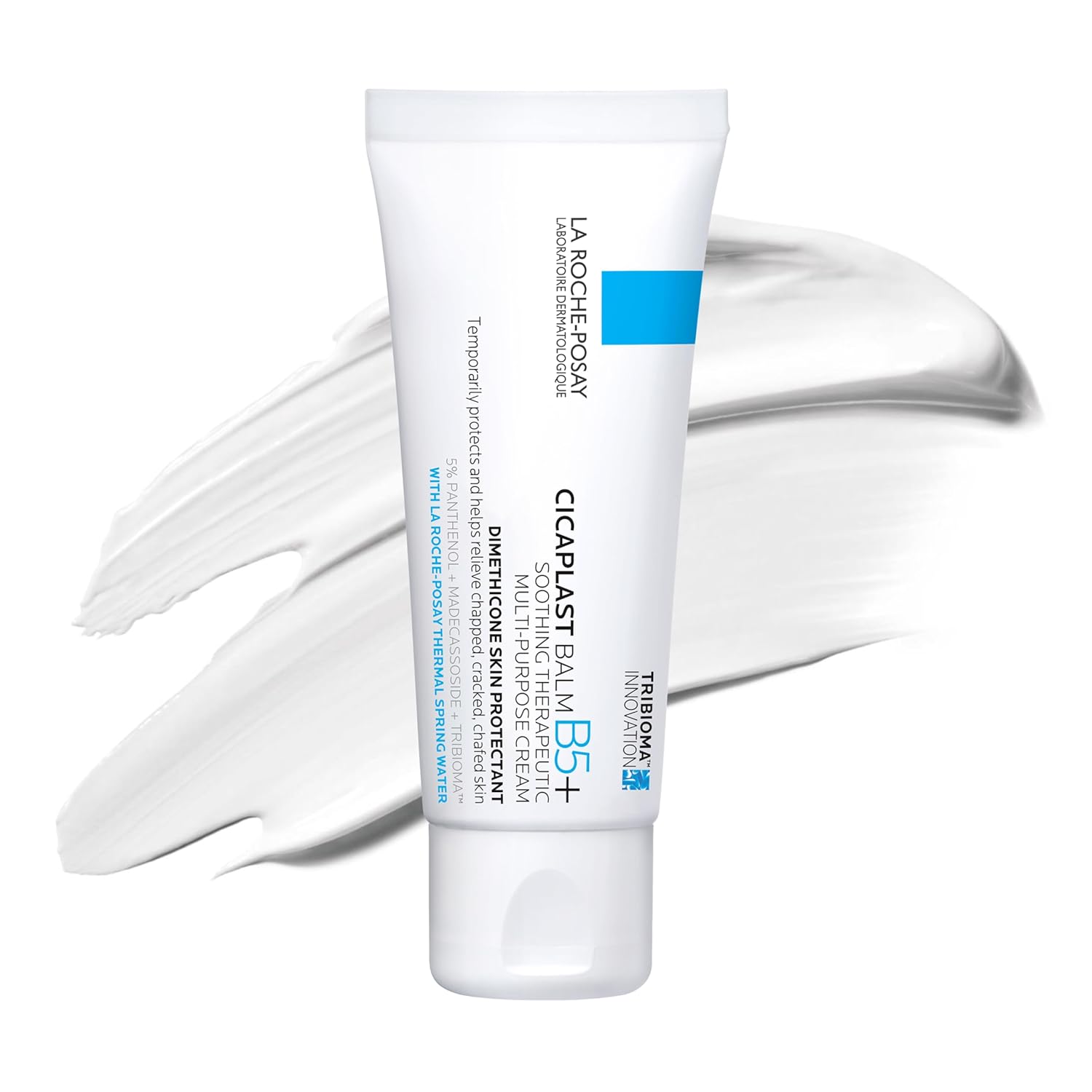

These create a protective seal that allows the skin barrier to recover faster.
What NOT to Use During Barrier Repair
- Exfoliating acids
- Retinoids
- Vitamin C
- Fragrance or essential oils
- Scrubs or harsh cleansing tools
Symptom Guide: Click What Matches Your Skin
My skin burns when I apply anything
Strip the routine down to cleanser + one moisturizer + occlusive at night. Avoid all actives and anything fragranced until the burning stops.
My skin is peeling or flaking
Add an occlusive at night (like healing ointment) over moisturizer to seal in water. Avoid hot water and over-cleansing.
My skin is red and inflamed
Redness usually means inflammation. Keep products minimal, avoid scrubs and acids, and choose a bland barrier-supporting moisturizer.
I think I caused this from over-exfoliating
Pause all acids/retinoids. If you restart, reintroduce one active at a time, slowly. If you’re not sure what’s in your products, simplify first.