
My Actual Tretinoin Routine at 0.05%: What I Use as a Dermatologist (And Why)
I've been using tretinoin for years. I've prescribed it to thousands of patients. And I'll be real with you: my actual nighttime routine looks nothing like the standard "cleanse, apply, moisturize" advice you find everywhere.
My routine is quieter, more intentional, and built around letting tretinoin do its job without constantly fighting my barrier. I use it 2–3 nights per week as part of a deliberate skin cycling approach. On my off-nights, I'm not coasting. I'm actively rebuilding.
If you're newer to retinoids and want to understand the basics first, my breakdown of the tretinoin sandwich method is a great starting point, and my skin cycling guide for acne-prone skin covers the full rotation framework in detail.
Why I Use the Dry Method
There are a few schools of thought on how to apply tretinoin: the sandwich method (moisturizer → tretinoin → moisturizer), the buffer method (moisturizer first, then tretinoin), and the dry method (which is what I do). Wash your face, wait 20–30 minutes for skin to fully dry, then apply tretinoin directly.
Here's why it matters: moisture on the skin increases tretinoin absorption. At 0.05%, that can tip from effective into irritating. Waiting for skin to be bone dry creates steadier, more predictable delivery. After years of use, my barrier handles it, but, this is not the method I recommend to beginners.
My Tretinoin Night Routine, Step by Step
Here's exactly what I do on my 2–3 tretinoin nights per week. No filler steps. Every product earns its place.

Pyunkang Yul Deep Clear Cleansing Balm
I start here every night, tretinoin or not. This balm melts down SPF, makeup, and environmental buildup with no harsh surfactants. I massage it in for a full 60 seconds and remove with a damp muslin facial towel. On tretinoin nights I skip a second cleanser entirely because I want to preserve as much natural lipid as possible before the dry-down period.
What makes this balm stand out is that it's loaded with centella, ceramides, and panthenol, so it's actively supporting the barrier during the cleanse itself. If you're curious about centella as a standalone ingredient, I wrote about it in my deep dive on centella asiatica.
Shop on Amazon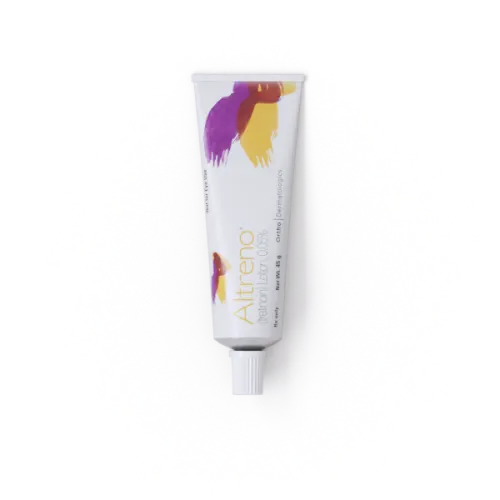
Tretinoin 0.05%. A Pea-Sized Amount. Always.
A single pea-sized amount dotted onto forehead, both cheeks, nose, and chin, then blended upward. I avoid the eye contour and corners of the mouth where skin is thinnest. Then I wait another 5 minutes before layering anything else.
More tretinoin is not more results- it's more irritation. If your moisturizer burns after tretinoin, I wrote an entire post on why moisturizer burns on tretinoin skin that might help.

Rejuran PDRN Turnover Ampoule
This is the step that surprises people most. Rejuran's c-PDRN (Polydeoxyribonucleotide) is derived from salmon DNA- originally developed as an injectable skin booster in Korea and now available in a highly effective topical form. PDRN stimulates fibroblast activity, promotes collagen synthesis, and helps the skin rebuild structural integrity.
While tretinoin drives cell turnover, PDRN supports the repair side of that equation. Together they create a renew-and-repair cycle rather than just relentless exfoliation. For the full science, I have a dedicated post on PDRN skincare and Rejuran worth reading.
Shop on Amazon Read: PDRN Deep Dive →
Probioderm 3D Lifting Ampoule
My final step. This probiotic-based ampoule supports the skin's microbiome while delivering a firming, plumping effect overnight. The microbiome is seriously underrated in the tretinoin conversation; it plays a direct role in barrier integrity, and tretinoin temporarily disrupts that balance. A healthy microbiome helps the barrier recover faster between tretinoin nights.
This is the kind of next-generation product that moves tretinoin users from tolerating their retinoid to genuinely thriving on it. I wake up to noticeably more resilient, plumper skin on mornings after using this.
Shop on AmazonThe thing I wish I'd figured out sooner
When you pair tretinoin with something that actively supports repair (like PDRN) you stop being in a constant battle with irritation and start working with your skin's natural cycle. Tretinoin is the catalyst. Rejuran is the recovery. They're not competing; they're completing each other. This pairing changed how I think about retinoid routines entirely.
My Skin Cycling Schedule
I use tretinoin 2–3 nights per week- never every night. This is intentional clinical strategy, not caution. Skin cycling gives the barrier genuine recovery windows while still delivering cumulative retinoid results. I've written a full post on skin cycling specifically for acne-prone skin if that resonates with you. Here's my personal weekly rotation:
🌙 Tretinoin Nights — 2 to 3× per week
- PKY Deep Clear Cleansing Balm
- Wait 20–30 min (fully dry)
- Tretinoin 0.05%
- Wait 5 min
- Rejuran PDRN Turnover Ampoule
- Probioderm 3D Lifting Ampoule
✨ Active Off-Nights — 1 to 2× per week
- PKY Deep Clear Cleansing Balm
- Gentle AHA
- Barrier-supporting moisturizer
- Optional: gua sha or facial massage
💜 Recovery Nights — 2 to 3× per week — the ones most people skip
- PKY Deep Clear Cleansing Balm
- Rejuran PDRN Ampoule- I often use it here too
- Rich ceramide moisturizer — see my top moisturizer picks for tretinoin users
- Nothing else. Simplicity is the entire point.
Recovery nights are not passive. They're when your skin catches up; re-layering lipids, reducing transepidermal water loss, and preparing for the next active cycle. Skipping recovery nights is the most common form of self-sabotage I see in tretinoin users.
What I Tell My Patients
After years of prescribing tretinoin, the patterns I see are consistent. Here are the three mistakes I address most often in clinic:
Your Questions, Answered
Keep Reading
Questions about your own tretinoin routine? Drop them in the comments- I read every one.
*This post contains affiliate links. If you purchase through my links I may earn a small commission at no extra cost to you. I only recommend products I personally use and genuinely trust. All opinions — and this routine — are entirely my own.